Helping Kids Through Big Transitions: Moving, New Baby, Starting School
Why Big Changes Feel Enormous to Little Kids
You're excited about the new house. You've been planning for the new baby for months. Starting school is a milestone worth celebrating.
Your 4-year-old is not excited. Your 4-year-old is terrified, clingy, suddenly having accidents again, and asked you for the third time today if you still love them.
Here's the thing about transitions: adults experience them through the lens of context and time. We know the new house will eventually feel like home. We know the new baby won't replace the older child. We know school will be fun once they settle in.
Your preschooler has none of that context. They live in the right-now. And right now, their whole world is changing and they have zero control over it. That's not just uncomfortable for a young child — it's frightening.
Understanding this is step one. Step two is knowing exactly how to help.
The Universal Rules (For Any Transition)
No matter what kind of change your family is facing, these principles apply across the board:
1. Tell Them What's Happening (Simply and Honestly)
Kids fill silence with fear. If they sense something is changing but nobody's talking about it, their imagination invents worst-case scenarios. A 3-year-old who sees packing boxes might think: Are we losing our stuff? Are we in trouble?
Use short, simple, honest language:
- "We're going to move to a new house. Our old house was wonderful, and our new house will be wonderful too. All your toys are coming with us."
- "Mama has a baby growing in her tummy. When the baby comes, you'll be a big brother."
- "In September, you're going to start at a new school. You'll have a new teacher and new friends."
Don't over-explain. Don't sugarcoat. And don't wait until the last minute. Young kids need time to sit with new information before the change actually happens.
2. Expect Regression (And Don't Panic)
When stressed, kids go backward. A fully potty-trained 4-year-old starts having accidents. A 5-year-old who hasn't needed a pacifier in a year wants it back. A 3-year-old who was sleeping through the night is suddenly in your bed every night.
This is normal. It's not manipulation or laziness. It's their nervous system saying: Everything feels uncertain, so I'm going back to what feels safe.
Respond with patience, not frustration. "It's okay. Big changes are hard. I'm right here." The regression almost always resolves once they feel secure in the new normal. Pushing back against it ("You're a big kid! You don't need that!") tends to make it last longer.
3. Keep Routines Ruthlessly Consistent
When the big things change, the little things need to stay the same. Same bedtime routine. Same breakfast. Same order of pajamas, teeth, story, song. Same Saturday morning pancakes.
Routine is a child's anchor. When everything else feels wobbly, the familiar rhythm of their day tells their brain: Okay, some things are still predictable. I'm safe.
If you're in the middle of a move or welcoming a new baby, it's tempting to let routines slide. Don't — at least not the bedtime one. That's the routine that matters most for emotional regulation.
4. Give Them Something to Control
Transitions strip kids of control. They didn't choose to move. They didn't choose to have a sibling. They didn't choose to go to school. All of this is happening TO them.
Counterbalance this by offering choices wherever you can:
- "Do you want to paint your new room blue or green?"
- "Would you like to pick a special toy to give the new baby?"
- "Do you want to walk to school or ride your scooter?"
These feel like tiny choices to you. To your child, they're lifelines. Control reduces anxiety. Every small decision they make tells their brain: I have power here. I'm not just along for the ride.
Moving to a New House
For adults, moving is stressful but exciting. For a young child, it can feel like losing everything they know. Their room. Their yard. Their friend next door. The crack in the wall they've stared at every night before falling asleep.
What Helps
- Visit the new home before the move. Walk through it. Let them pick their room. Take pictures together. Familiarity reduces fear.
- Let them pack a "special box." Their favorite toys, blankie, stuffed animals — the stuff that makes a place feel like THEIRS. This box goes in the car, not the moving truck. It's the first box that gets unpacked.
- Say goodbye to the old house. Walk through each room. "Goodbye, kitchen where we made cookies. Goodbye, bathtub where we had bubble fights." This sounds cheesy but it matters. Kids need closure just like adults do — they just process it differently.
- Set up their room first. Before you unpack the kitchen or arrange the living room, make their bedroom feel like home. Same sheets, same nightlight, same stuffed animals in the same spots. When they walk in and see their stuff, their nervous system exhales.
- Acknowledge the grief. "I miss our old house too. It's okay to feel sad about leaving." Don't rush them to love the new place. Let them feel both things: sad about the old, and slowly curious about the new.
New Baby Sibling
A new baby is an earthquake in a young child's world. The person who used to be ALL theirs — you — now holds, feeds, and stares adoringly at someone else. For a 3-year-old, this isn't a joyful event. It's a threat.
What Helps
- Start talking early. Don't wait until the third trimester. Involve them: let them feel the baby kick, help choose a name, come to an ultrasound (if they're old enough to handle the waiting room).
- Be honest about what babies are actually like. "The baby will cry a lot. Babies can't talk or play yet. At first, the baby will just sleep and eat. It might be kind of boring." Unrealistic expectations ("You'll have a playmate!") set them up for disappointment.
- Protect special one-on-one time. This is non-negotiable. Even 15 minutes a day where your older child has you all to themselves — no baby, no phone — does enormous things for their security. Say it out loud: "This is OUR special time. Just you and me."
- Don't force the bond. "Give the baby a kiss!" "Be gentle!" "Don't you love your sister?" Pressure to adore the new baby often creates resentment. Let the relationship develop at your child's pace. Some kids warm up in days, some in months. Both are fine.
- Expect jealousy and make it safe. "I think you're feeling left out because the baby needs a lot of attention. That makes sense. I love you SO much." When jealousy is allowed, it passes. When it's shamed, it festers.
Starting School (Preschool or Kindergarten)
Starting school means separating from you in a big way — maybe for the first time. That's a lot to ask of a small person who's spent their entire existence within arm's reach of the people they love most.
What Helps
- Visit the school before the first day. Walk the halls. Meet the teacher. Find the bathroom. Find their cubby. The unfamiliar is what scares them — make as much of it familiar as possible.
- Read books about starting school together. Stories normalize the experience and give your child a framework for what to expect. "Remember how the character was nervous but then found a friend? That might happen to you too."
- Create a goodbye ritual. A special handshake. Two kisses and a high five. A heart drawn on their hand with a pen ("When you miss me, press the heart and I'm right there"). The ritual becomes an anchor that makes the separation predictable.
- Keep drop-off short and confident. This is hard. Lingering when your child cries feels like the caring thing to do, but it usually makes it worse. Say your goodbye. Tell them you'll be back. Walk away. (Then cry in the car if you need to. Most of us do.)
- Give them a comfort object. A small family photo in their pocket. A keychain from home. A special bracelet. Something they can touch when they miss you.
Starting school anxiety is one of the most common worries in early childhood. If your child's nerves are running high, giving them hands-on ways to work through those feelings can make a real difference. When I Feel Worried is an activity book with 56 pages of drawing prompts, breathing exercises, and coloring activities designed specifically for anxious kids ages 3-7. It's the kind of thing they can flip through the night before school, working through their worry with a crayon instead of just lying there thinking about it.
The Feelings That Show Up During Transitions
No matter the change, watch for these emotions — and name them when you see them:
- Anxiety: "What if" questions, clinginess, trouble sleeping, tummy aches
- Anger: Outbursts that seem disproportionate (the anger isn't about the broken cracker — it's about the new baby)
- Sadness: Withdrawal, low energy, wanting to be held more
- Control-seeking: Suddenly VERY rigid about how things should be (same cup, same shirt, same exact routine). This is their way of creating predictability when everything feels chaotic.
All of these are normal responses to transition. Name them. Validate them. Don't try to fix them away. "You're having so many big feelings about the move. That makes sense. I'm right here while you feel them."
The Most Important Thing You Can Do
Through every transition — the packing boxes, the midnight feedings, the school drop-offs — the single most powerful thing you can offer your child is your steady, calm presence.
Not your perfection. Not your certainty. Your presence.
"I'm here. I love you. We'll figure this out together."
Kids are remarkably resilient when they feel secure in their attachment to you. The new house will become home. The new baby will become their person. The new school will become their place. It just takes time, patience, and a parent who's willing to sit with them in the messy middle.
You don't have to make the transition painless. You just have to make sure they're not going through it alone.
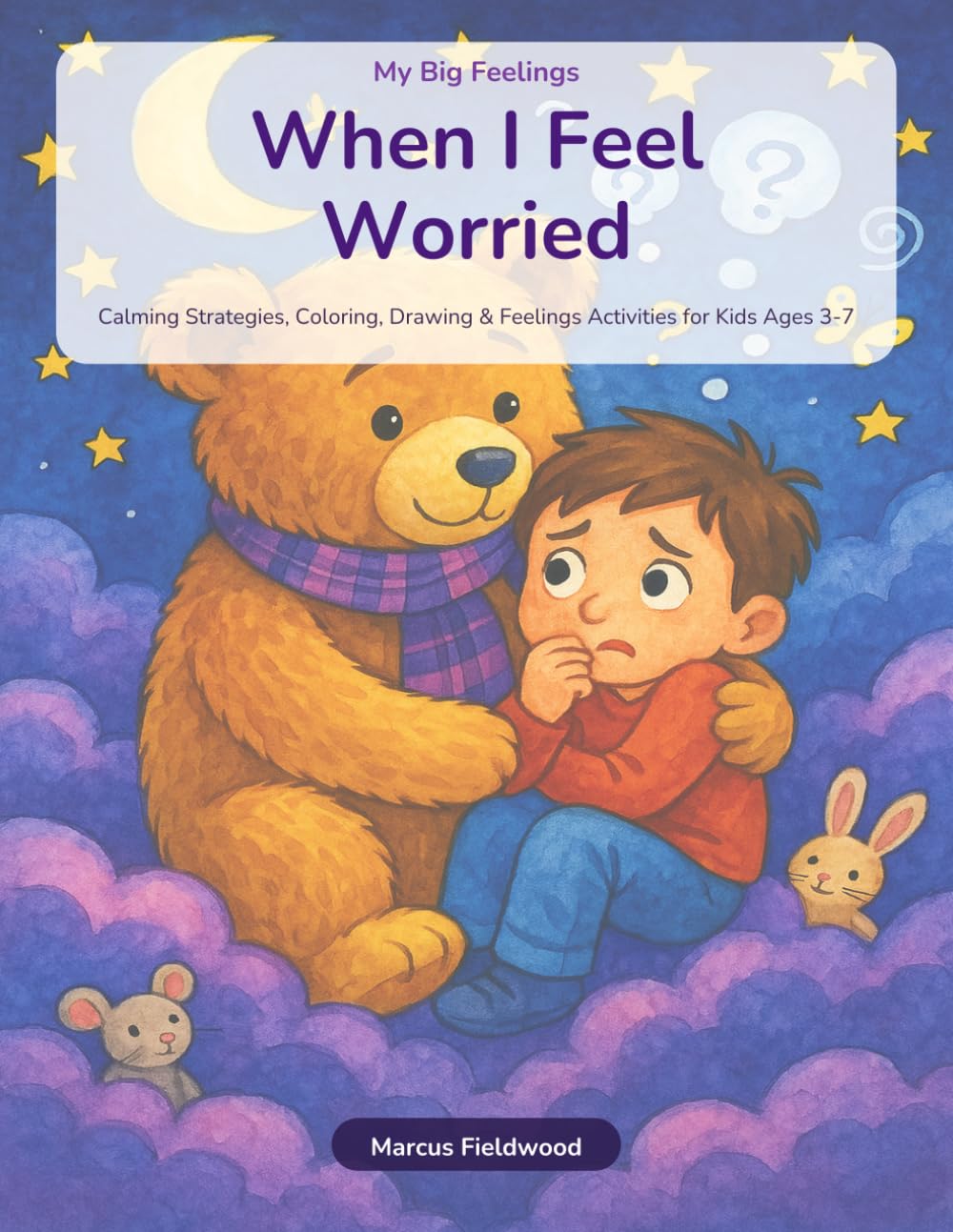
📚 When I Feel Worried
Anxiety Relief Activity Book for Kids Ages 3-7 — 56 pages of hands-on activities.
Buy on Amazon — $14.99